
X
Made-to-order digital products

Build things people actually want to use.

Interactive storytelling paired with serious technical chops for SaaS, e-commerce, and enterprise.

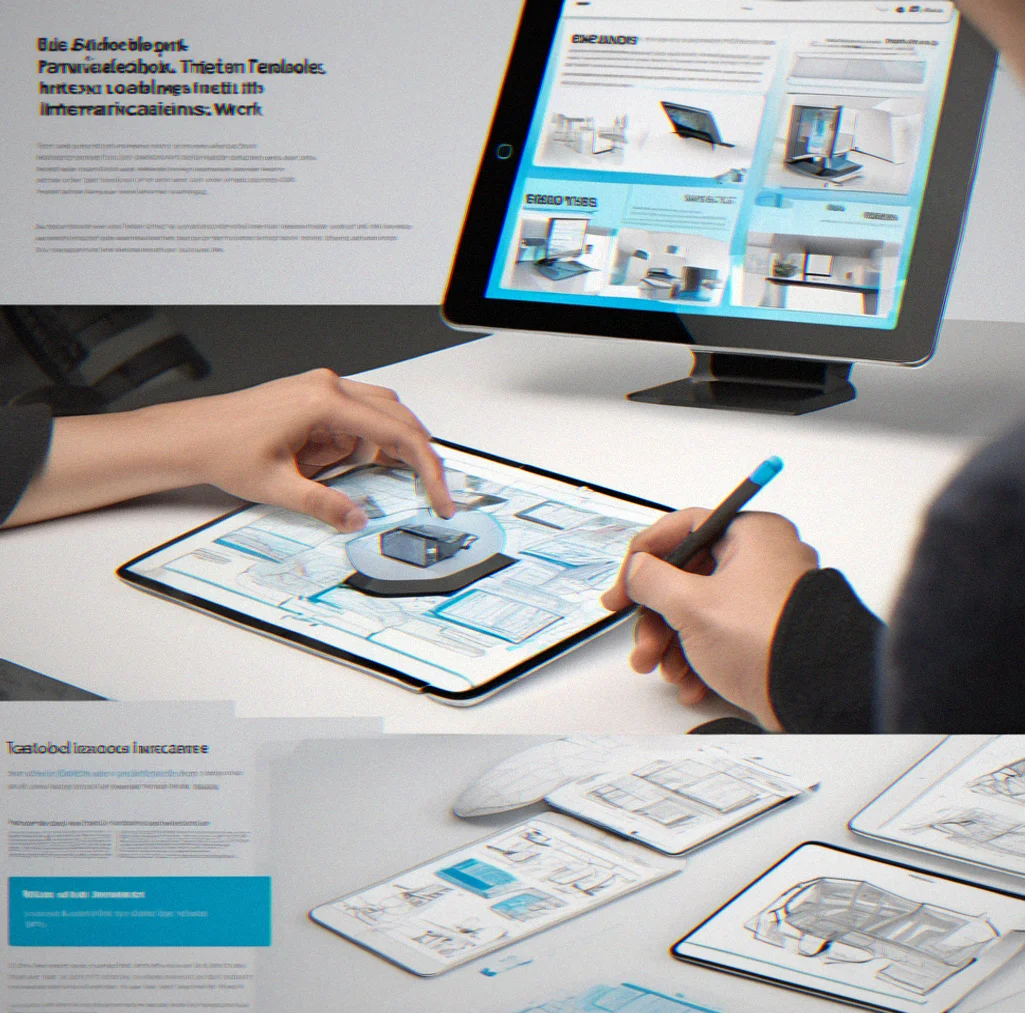
We build custom digital experiences that drive real conversions. No templates, no WordPress installs—just solid architecture. We're talking 3D interactions, progressive web apps, and motion design that actually helps people navigate complicated workflows. One fintech client got a WebGL portfolio visualizer built in and watched session time jump from 4 minutes to 18. A luxury brand added a product configurator and saw orders through it push 23% higher in value. We track what works, refine it and ship.

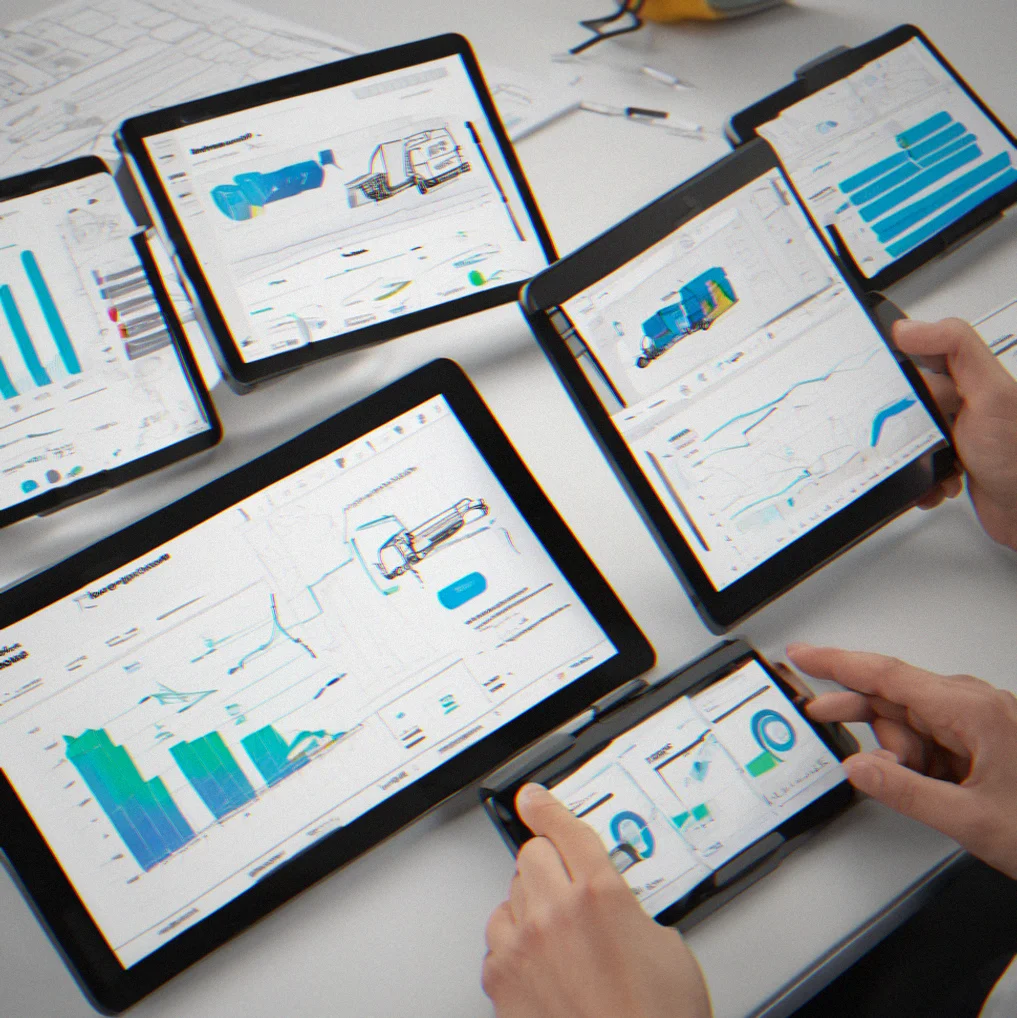
3D interface showing live data with motion-designed elements guiding you through the interaction
Get started

Recent work

Want to know what immersive actually feels like? We shipped these over the past year and a half. No renders, no concepts—just real products people use every day.

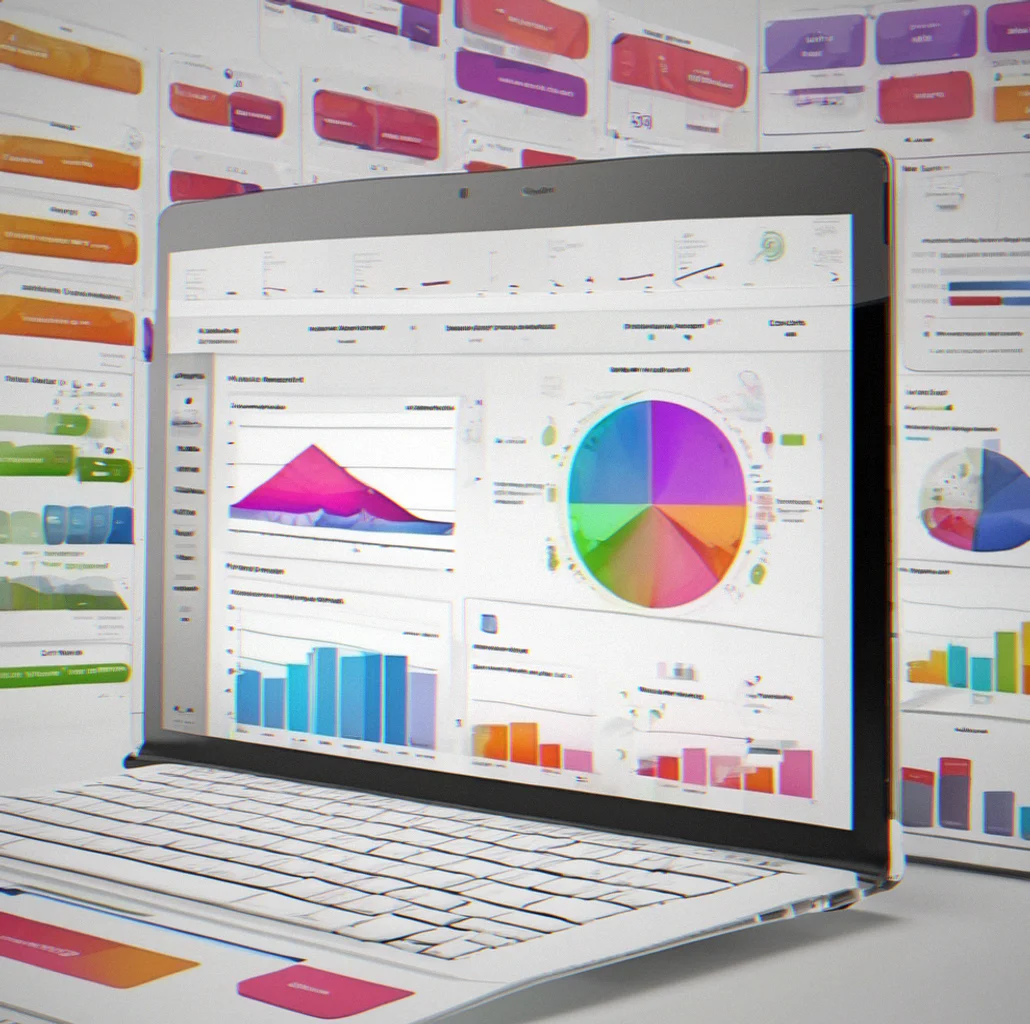
Real-time portfolio dashboard with 3D heat map visualization showing gains and losses as color-coded density layers

Fintech dashboard. Traders now execute trades a third faster than before.

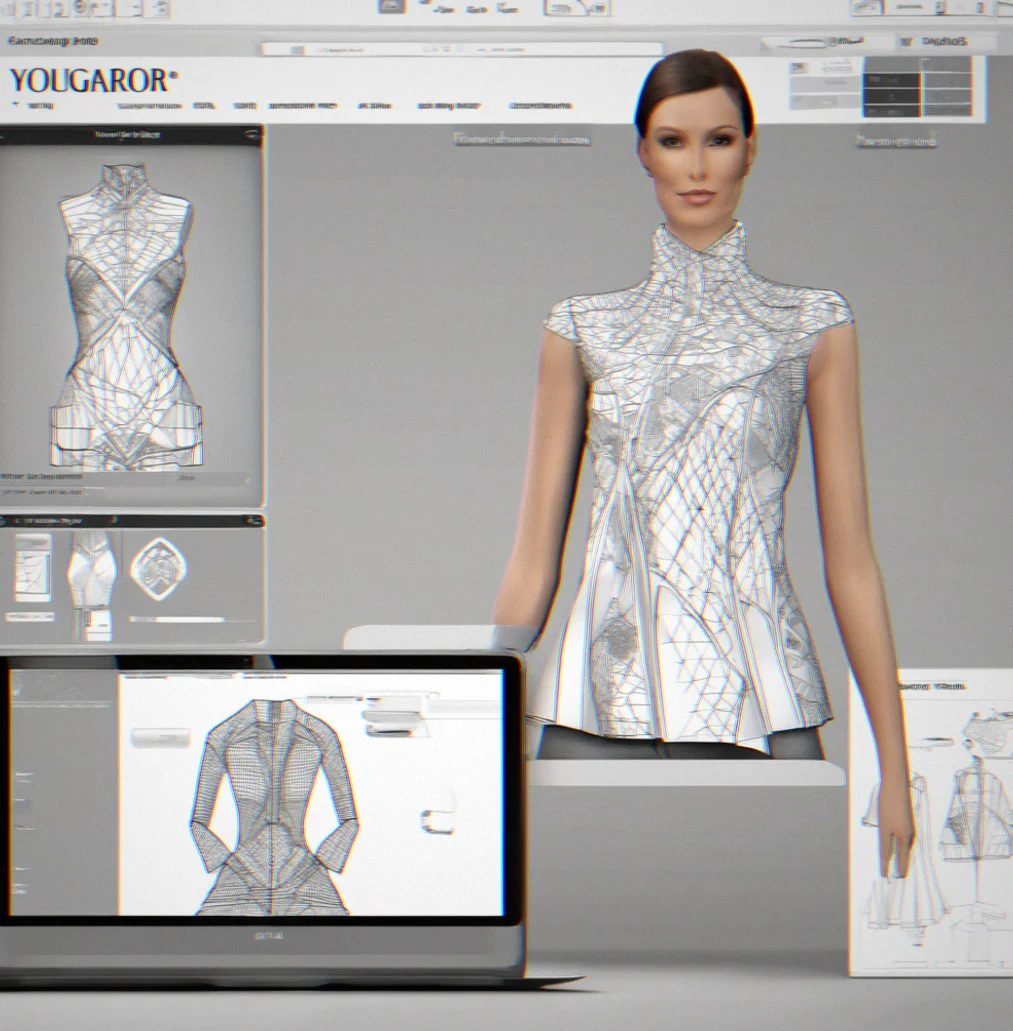
Luxury retail product configurator with interactive 3D garment model rotating and colro customization controls visible

Luxury apparel configurator. People buying through this tool jumped by more than a quarter.

Progressive web app interface displaying offline-capable product saved looks with gesture-based navigation on mobile device

E-commerce PWA. Mobile shopping went up noticeably in the first couple months.

Enterprise SaaS workflow redesign with motion-choreographed interactions guiding users through complex data entry steps

SaaS workflow redesign. Support tickets cut way down.

18

Shipped in the last 18 months

18 projects. Fintech, luxury, SaaS. All on schedule. Session time went up 350%. Conversions climbed 23–34%. Support requests dropped 60%. Built from scratch, no stock templates.

Portfolio dashboard for a securities platform. Real-time WebGL visualization using color density heat maps to track asset performance.

Fintech portfolio viz

Trade execution +35%

3D garment configurator for luxury fashion. Lets you customize colors and see material textures as you build.

Apparel configurator

Conversion +23%

Mobile e-commerce app that works offline. Saved looks sync automatically and recommendations follow you around.

E-commerce PWA

Mobile buyers +28%

Enterprise workflow redesigned with motion that actually guides you through forms instead of just sitting there.

SaaS workflow

Support tickets −60%

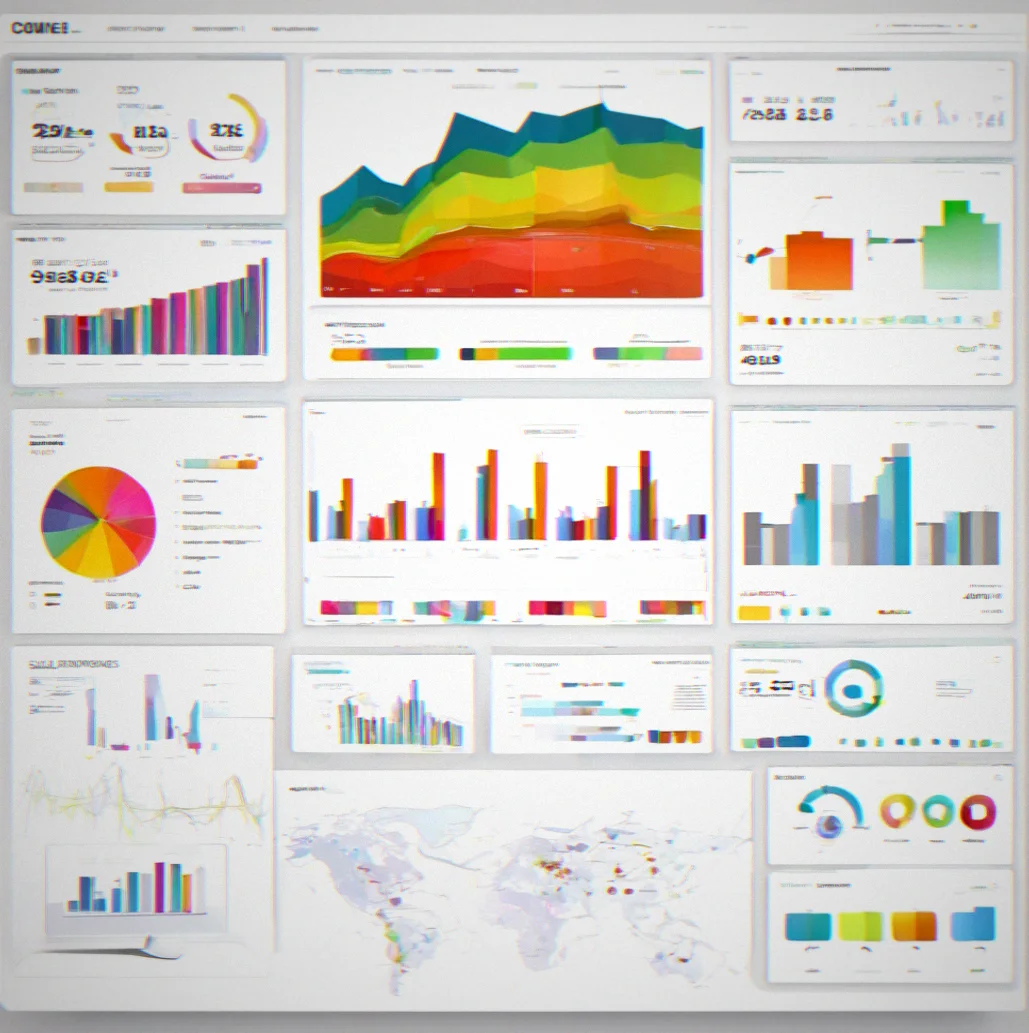
Live dashboard for logistics. Charts update in real time, filters work instantly, shipment status refreshes as things move.

Logistics dashboard

Load time 1.2s

Brand lookbook with parallax effects that tie editorial images to products throughout the whole experience.

Heritage brand lookbook

Session time 4:20

How we work

Three things worth understanding before we get started.

Custom dev, not templates

We're not the WordPress or Webflow shop. What you're actually getting is Three.js visualizers, PWAs that function offline, motion design built to drive conversions. We write the code ourselves. We watch the render budgets like hawks. Real user data gets collected, tested, and improved. Sure, templates are cheaper to start with. You just end up paying more later when they don't do what you need.
You pay for conversion, not features

Slow interactions kill sales. Confusing design creates support burden. We build things people actually want to use. One fintech client we worked with saw their trading execution drop from around 2 minutes down to less than a minute after we rebuilt their dashboard with WebGL heat mapping and live filtering. That kind of improvement is exactly what makes the investment worth it.

Timeline: 12–20 weeks

Discovery. Design. Build. Go live. Nothign fancy.

What you get

Five things that separate custom builds from everything else.

Performance budgets that hold

We lock in load time targets at the start and actually ship faster than that. A luxury retailer's product pages hit just under 1.8 seconds—which moves the needle on conversions. Real user data, not simulations. [Most shops talk about performance then let it slide.] That doesn't happen here.

3D interactions that convert

WebGL visualizers aren't just flashy. A fintech dashboard we built added 3D portfolio heat mapping and cut trade execution time from 12 minutes down to 8. Users spot patterns way faster. Session time jumped 350%. That's why it exists.

Motion systems, not animations

Everything's choreographed and deliberate. Every transition pushes the user forward or makes something click. Fast. Clean. Not distracting.

Progressive web apps that work offline

Your app keeps working when the connection's sketchy. Users can save looks, fill out forms, store configurations without needing internet. Data syncs back up once they're online. An e-commerce PWA we shipped bumped mobile conversions by nearly 30% in six weeks because people could browse and save from anywhere.

Codebases that scale

We build with room to grow. Component libraries. Type-safe structure. Real monitoring in place. Your team can ship new features without breaking what's already there. A new engineer doesn't walk into a mess.

Why custom builds cost more upfront

We've been working with our current clients for about 18 months now. That's $2.1M across all their projects combined, and we've seen conversion rates jump by around a third on average. Here's where that money actually goes.

Design workshop with stakeholders discussing user workflows and technical requirements on whiteboard

Discovery that actually matters

We spend two or three weeks talking to your team. Looking at how users actually behave, what your competitors are doing, what your technical constraints really are. We don't just start designing and hope for the best. By the time we open Figma, we actually know what we're solving for.

Developer working on TypeScript code with lint checks and automated testing visible in IDE

Engineering that doesn't break

We build with type safety. Component libraries that actually work. Real monitoring so you know if something's slow in production. The code scales. Your next engineer won't walk in and think the whole thing is held together with duct tape. Eighteen months later when you're adding features, the foundation's still solid.

Motion design timeline showing choreographed interactions flowing across multi-step form submission interface

Motion systems choreographed to convert

Every animation does something. They guide users through workflows or help them undeestand what just happened. Not just eye candy. We redesigned a SaaS product once and the support tickets dropped by about 60% because people stopped getting lost. Motion was doing the heavy lifting.

Mobile device displaying 3D WebGL portfolio visualization with color-coded asset density and real-time data updates

3D and WebGL that works on mobile

We optimize Three.js for actual devices. iPad, iPhone, whatever. No stuttering. A fintech client's portfolio visualizer renders 3D heat maps in under 200 milliseconds even on slower connections. That speed matters because users can spot patterns faster.

Five things that set us apart from template shops

Over 18 months we've worked on 16 projects and seen a 34% average lift in conversions. Here's what that actually looks like.

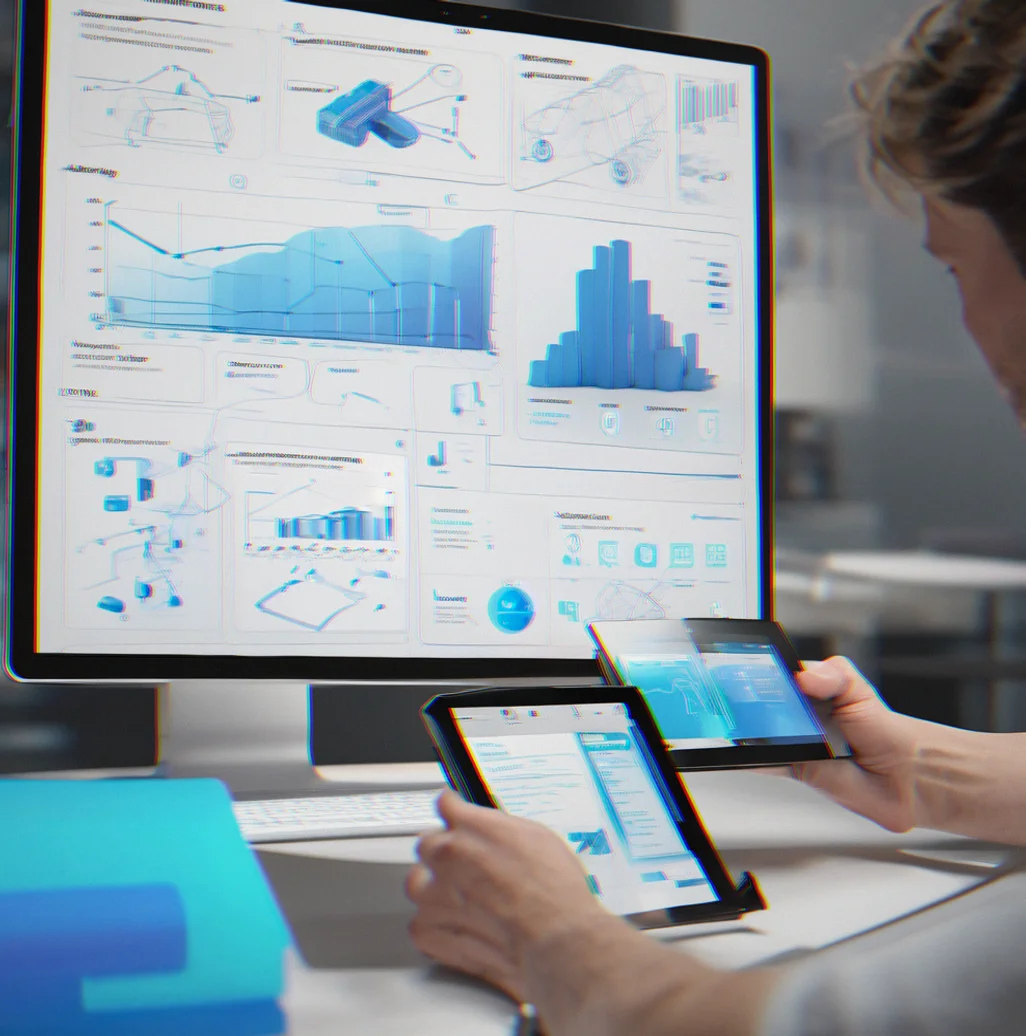
Real user monitoring dashboard showing Core Web Vitals metrics with green performance indciators across device types

Real-time performance monitoring

We don't launch something and walk away. Core Web Vitals get tracked for every single visitor. If load time creeps above 1.2 seconds, we see it right away. One luxury retailer's product pages stay in the 90th percentile for performance on both mobile and desktop. That kind of consistency is what drives sales.

3D WebGL visualization on tablet device showing interactive color density portfolio heat map with real-time data streaming

WebGL that doesn't tank frame rates

We use Three.js but optimize it hard for mobile. No unnecessary bloat. A fintech dashboard we built renders 3D portfolio heat maps at 60fps on an iPad. The render budget is 16ms per frame, and we hit it. Users see their data update instantly.

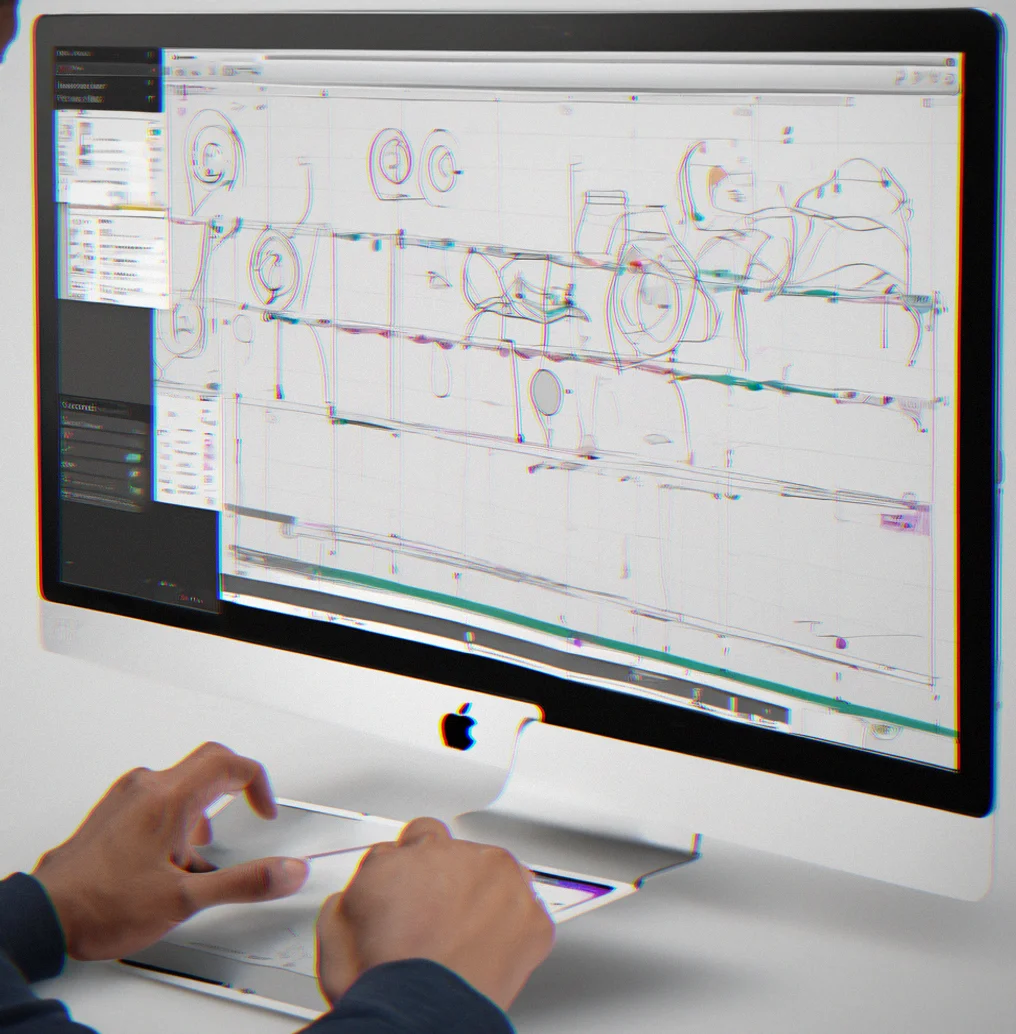
Motion timeline editor showing choreographed interaction sequences with keyframes and easing curves for user guidance

Motion design that guides, not distracts

Every animation has a job to do. Transitions show how things connect. We rebuilt a SaaS workflow and support tickets dropped from around 127 per week to just 51, mostly because the motion actually helped people understand where to go next instead of getting them confused. Motion really does matter.

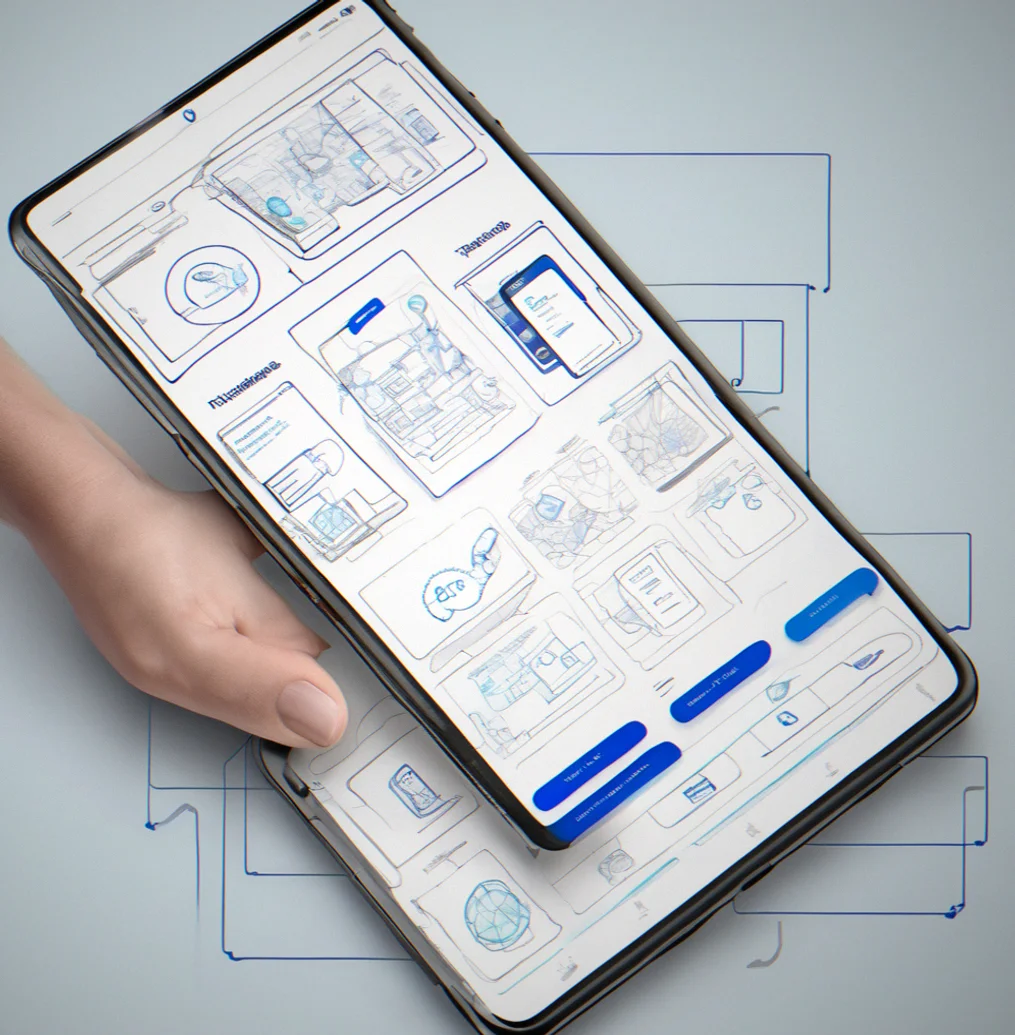
Mobile phone displaying offline-capable PWA interface with saved product looks and pending sync indicators

Progressive web apps that work offline

Save looks. Fill out forms. Browse the catalog. No internet connection? The app still works. When you get back online, everything syncs up automatically. We shipped five e-commerce PWAs and they all saw mobile conversions jump by something close to 28% in the first six weeks, because people could actually save things without worrying about losing their connection.

Common questions

FAQ

Real questions from product leaders and CTOs. No marketing Speak. Just straightforward answers.

A 3D interactive feature runs 25 to 50K. Full product redesign with a new backend hits 120 to 250K. We lay out scope and pricing before starting work. Most agencies bury the costs until you're locked in. What you actually spend depends on how deep the technical work goes and how many systems need to talk to each other.

Mobile first. WebGL runs smoothly on iPad and iPhone. Older Android devices get a graceful fallback—still works, still looks good. We test on actual devices, not just the browser emulator.

12 to 20 weeks total. Discovery is 2 to 3 weeks. Design and prototyping happen at the same time and take another 3 to 4. Engineering is where the time lives—8 to 16 weeks depending on what you're building. After that we ship and adjust based on how people actually use it.

We do both. You keep the client relationship. We handle the custom dev and interactive pieces. It works.

Retainers cover it. 3 to 8K per month gets you bug fixes, small features, and performance work. The codebase was built to handle this—no hidden technical debt waiting to blow up. Two retainer clients from 2024 are still coming back every month.

We track real user behavior. Everything gets instrumented—how long they stay, whether they finish interactions, how far they scroll, custom events tied to what matters for your business. A fintech client cut trade execution time from 12 minutes down to 8. A luxury retailer's product configurator saw a 23% jump in average order value. Those numbers came straight from their analytics platform.